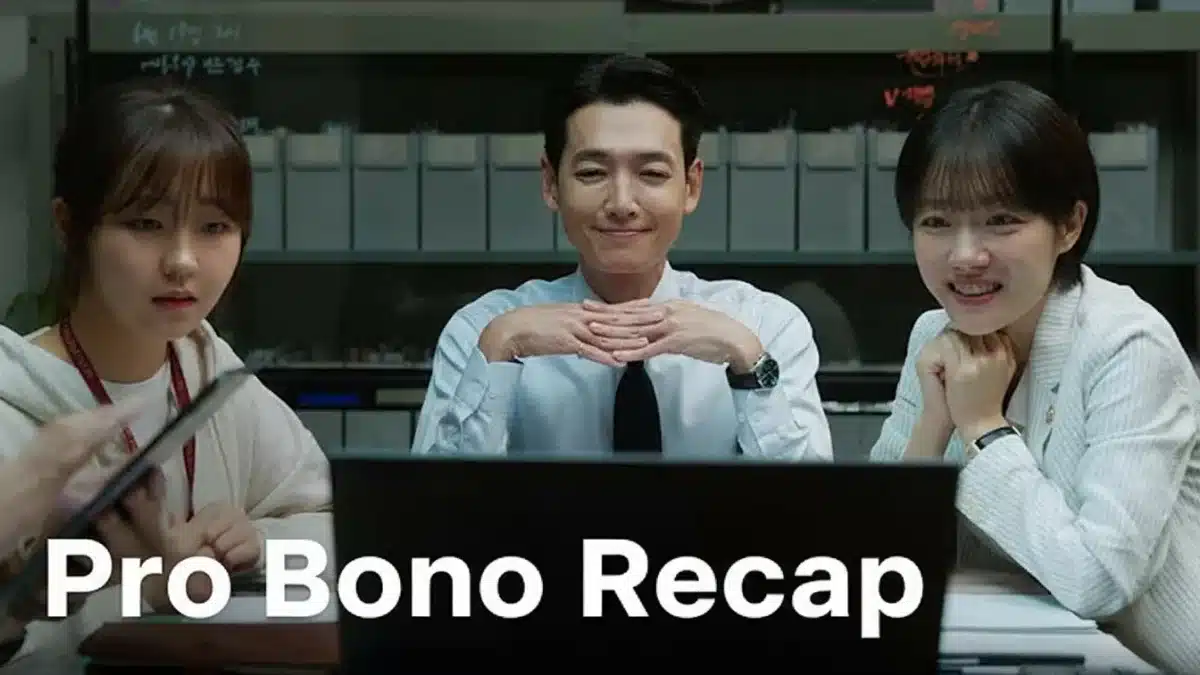
Introduction: When Justice Isn’t Free, Someone Has to Pay the Price
On December 6, 2025, tvN and TVING delivered a legal drama that doesn’t just entertain—it challenges, provokes, and demands we confront uncomfortable truths about justice in modern society. Pro Bono isn’t your typical courtroom drama with neat resolutions and feel-good victories. This is raw, uncompromising storytelling that asks: What happens when the law protects everyone except those who need it most?
Lee Do-hyun makes his highly anticipated return to the small screen as Min Jae-in, a brilliant but emotionally detached lawyer who treats pro bono cases like calculated chess moves rather than human stories. Opposite him, Kim Se-jeong proves once again that she’s one of the most versatile actresses of her generation, playing Lee Da-kyung—a passionate rookie lawyer whose idealism constantly clashes with Jae-in’s cynicism.
Their dynamic is electric, their cases are heart-wrenching, and their journey from antagonists to reluctant allies to something far more complicated forms the backbone of this must-watch legal thriller.
If you loved the psychological intensity of The Price of Confession Recap, you’ll be gripped by Pro Bono‘s exploration of morality, justice, and the systems that fail the most vulnerable. But where that thriller focused on personal confession and guilt, Pro Bono examines institutional failures and the lawyers brave—or foolish—enough to fight them.
Let me walk you through this powerful drama that’s already being hailed as one of the standout legal series in recent K-Drama history.
Table of Contents
The Core Plot: Justice for Those Who Can’t Afford It
The Cold-Hearted Strategist: Min Jae-in (Lee Do-hyun)
Min Jae-in is the kind of lawyer who calculates the exact value of human suffering in billable hours. At 32, he’s already a senior partner at one of Seoul’s most prestigious law firms, Hanul & Associates, known for representing corporations, wealthy individuals, and anyone who can afford their astronomical fees.
His reputation precedes him:
- Won 47 consecutive cases without a single loss
- Specializes in contract law and corporate litigation
- Emotionally distant, brutally efficient, devastatingly intelligent
- Volunteers for exactly one pro bono case per year—not out of altruism, but because firm policy requires it for good PR
The façade begins to crack when we learn through carefully placed flashbacks that Jae-in wasn’t always this way. He came from poverty, put himself through law school working three jobs, and initially dreamed of being a human rights lawyer. But a devastating case early in his career—where he fought passionately for an innocent client who was still convicted—broke something fundamental in him.
His philosophy now: “Justice doesn’t exist. Only the law exists. And the law favors whoever can afford the best interpretation.”
The Idealistic Fighter: Lee Da-kyung (Kim Se-jeong)
Lee Da-kyung passed the bar exam on her fourth try. She’s not naturally brilliant like Jae-in—she’s relentlessly hardworking, empathetic to a fault, and driven by a personal mission that gradually unfolds throughout the series.
Her background:
- Grew up in a single-parent household after her father died in a workplace accident
- Her mother fought a decade-long legal battle for compensation and lost everything—their home, savings, and eventually her health
- Da-kyung became a lawyer specifically to help people like her mother: those crushed by systems designed to protect corporations over individuals
She joins Hanul & Associates through their competitive “Social Justice Fellowship” program—a token initiative where the firm takes on one idealistic lawyer each year to handle pro bono cases. Most fellows quit within months, unable to reconcile the firm’s corporate focus with their values.
Da-kyung is assigned to work under Min Jae-in for her fellowship year. Their first meeting is disastrous.
The Collision: Episode 1’s Explosive Introduction
The Setup: Jae-in is in the middle of securing a $500 million contract for a pharmaceutical company. Da-kyung bursts into his office (ignoring his assistant’s protests) holding files for a pro bono case she believes the firm should take—a wrongful termination suit for factory workers exposed to toxic chemicals by the very pharmaceutical company Jae-in is representing.
The Confrontation:
Da-kyung: “These people are dying. They need legal representation.”
Jae-in (not looking up from his documents): “Then they should hire a lawyer.”
Da-kyung: “They can’t afford one. That’s why I’m here. The firm has a pro bono program—”
Jae-in: “Which exists so we can sleep at night while representing companies like this. The program isn’t about justice, Miss Lee. It’s about optics. Now, unless you have something that makes me money, you’re wasting my time.”
Da-kyung: “I’m wasting your time? Fifteen people are suffering from chemical poisoning because your client ignored safety regulations, and I’m the one wasting time?”
Jae-in finally looks up: “Yes. Because those fifteen people won’t change the fact that this firm makes its revenue from clients who can pay. You want to save the world? Do it somewhere else.”
Da-kyung responds by dumping the case files on his desk and walking out. What she doesn’t know: the senior partner witnessed the entire exchange and assigns the pro bono case to Jae-in as punishment for his “attitude problem.”
Now Jae-in and Da-kyung must work together on the case he doesn’t want to win and she’s determined to win at any cost.
The Cases: Justice One Verdict at a Time
Case #1: The Toxic Truth (Episodes 1-4)
The Client: Park Sung-min, a 45-year-old factory worker suffering from severe respiratory illness after 20 years of exposure to unregulated chemicals.
The Opposition: Mirae Pharmaceutical, represented by a team of expensive lawyers (and quietly supported by Hanul & Associates’ corporate division).
The Conflict:
- Jae-in approaches the case like a mathematical problem—he calculates they have a 12% chance of winning and advises Park to settle for minimal compensation
- Da-kyung refuses, believing they can prove the company knowingly violated safety standards
- Their strategy sessions become battlegrounds of philosophy: pragmatism vs. idealism, survival vs. principle
The Breakthrough: Da-kyung discovers a whistleblower—a former quality control manager willing to testify that executives ignored safety reports for years. But the witness is terrified of retaliation and refuses to testify publicly.
Jae-in, surprisingly, is the one who convinces the witness to testify. Not through emotional appeals (that’s Da-kyung’s approach, which failed), but by guaranteeing legal protection and finding leverage against the company’s board members. It’s ethically grey, legally brilliant, and completely unexpected.
The Verdict: They win a landmark ruling—full medical compensation, punitive damages, and mandatory safety reforms. Park Sung-min cries in the courtroom. Da-kyung cries in the bathroom afterward. Jae-in doesn’t cry, but for the first time in years, he feels something crack in the armor he’s built around his heart.
Case #2: The Invisible Victims (Episodes 5-8)
The Client: A group of migrant workers facing deportation after reporting workplace abuse.
The Stakes: This case is even more impossible than the first. Immigration law is notoriously difficult, the workers have no legal status, and public opinion isn’t on their side.
The Evolution:
- Jae-in initially refuses outright, but Da-kyung goes around him and starts working the case independently
- When she gets in over her head (facing a deportation order she doesn’t know how to block), Jae-in steps in—not because he cares, but because “watching you fail is annoying”
- Except… he’s lying. He cares. He just doesn’t know how to admit it yet.
The Resolution: They don’t win. Not completely. Some workers get temporary stays, others are deported, and the abusive employer faces minor fines but no real consequences. It’s a brutal, realistic portrayal of how often the justice system fails.
Da-kyung is devastated. Jae-in finds her on the courthouse steps at midnight, and for the first time, he’s honest: “This is why I stopped caring. Because caring makes losses unbearable. But you… you keep caring anyway. I don’t know if that makes you brave or stupid.”
Da-kyung: “Maybe both. Does it matter?”
Jae-in: “No. I suppose it doesn’t.”
This is the moment their relationship shifts. Not romantic (not yet), but something deeper: mutual respect born from shared struggle.
Case #3: The Ghost of the Past (Episodes 9-12)
The Client: A man wrongfully convicted 15 years ago, seeking exoneration. And here’s the twist that destroys you: this is the case that broke Min Jae-in when he was a young lawyer.
The man, Hwang Gi-taek, spent 15 years in prison for a murder he didn’t commit. Jae-in represented him as a rookie and failed. Now, new evidence has surfaced (DNA technology that didn’t exist back then), and Da-kyung believes they can overturn the conviction.
Jae-in’s crisis: Taking this case means confronting his greatest failure. It means admitting he gave up on justice because he couldn’t handle the pain of losing when it mattered most. It means facing Hwang Gi-taek, who still remembers the idealistic young lawyer Jae-in used to be.
Da-kyung’s role: She doesn’t push. She doesn’t lecture. She simply says: “You taught me that we can’t win every case. But you never taught me that means we shouldn’t try. Maybe you need to learn your own lesson.”
The trial: The courtroom sequences in episodes 11-12 are absolutely riveting. Jae-in is at his most brilliant and most vulnerable, systematically dismantling the original conviction while visibly fighting his own demons. When Hwang Gi-taek is finally exonerated, Jae-in breaks down—not in the courtroom, but alone in his office afterward, with Da-kyung sitting silently beside him.
It’s the moment he stops running from who he used to be.
The Romance: Slow-Burn Partnership to Something More
Unlike typical K-Drama romances that announce themselves with dramatic soundtracks and longing gazes, the relationship between Min Jae-in and Lee Da-kyung develops so gradually you barely notice it’s happening until suddenly, it’s everything.
The Foundation: Professional Respect
Episodes 1-6: They argue constantly, disagree on strategy, and drive each other crazy. But underneath the friction, there’s growing respect. Jae-in recognizes Da-kyung’s tenacity and emotional intelligence. Da-kyung sees past Jae-in’s cold exterior to the wounded idealist beneath.
The Shift: Personal Connection
Episodes 7-10: Late-night case preparation sessions. Shared meals of convenience store kimbap. Da-kyung learning that Jae-in takes sleeping pills because he has nightmares about cases he lost. Jae-in discovering that Da-kyung visits her mother’s grave every week and tells her about the cases they’re fighting.
The moment it changes: Episode 9, after losing the migrant worker case. They’re walking back to the office in silence when it starts raining. Neither has an umbrella. They get soaked. And suddenly, inexplicably, Da-kyung starts laughing—the kind of exhausted, slightly hysterical laughter that comes from being too tired to cry.
Jae-in stares at her like she’s lost her mind. Then, incredibly, he starts laughing too. They stand in the rain, laughing at nothing and everything, and when they finally stop, something has fundamentally changed.
The Complication: Ethics and Emotions
Episodes 11-14: As they work on Hwang Gi-taek’s exoneration, the line between professional partnership and personal attachment blurs dangerously.
The confession scene (Episode 13) doesn’t happen the way you expect:
They’re in Jae-in’s office reviewing documents when Da-kyung says, almost absently: “I think I’m falling in love with you. Just thought you should know. For full disclosure.”
Jae-in freezes: “That’s… inappropriate. We work together.”
Da-kyung (still reading documents): “I know. I’m not asking you to do anything about it. I just believe in honesty. Anyway, about this witness statement—”
Jae-in: “You can’t just say that and move on.”
Da-kyung: “Why not? You taught me to be strategic. Telling you now means you can’t claim you didn’t know if it becomes relevant later. That’s good lawyering.”
Jae-in: “This isn’t a case, Da-kyung.”
Da-kyung finally looks at him: “Isn’t it? We’re both trying to figure out what we’re fighting for and why. Seems like a case to me.”
He doesn’t respond that night. But two episodes later, after Hwang Gi-taek’s exoneration, Jae-in finds Da-kyung on the courthouse steps (their spot now, apparently) and says: “I don’t know how to do this. The caring thing. The feeling thing. I’m probably going to be terrible at it.”
Da-kyung: “Probably.”
Jae-in: “But I’d like to try. If you’re still… interested.”
Da-kyung: “For full disclosure? I’m still very interested.”
And that’s how it begins. Not with grand gestures, but with tentative honesty and the willingness to be vulnerable.
Key Highlights: What Makes Pro Bono Exceptional
The Courtroom Brilliance
The legal strategies in Pro Bono are meticulously researched and genuinely compelling. Unlike dramas that treat courtroom scenes as mere backdrops for romance, this show makes the law itself fascinating. You’ll find yourself Googling legal precedents and Korean civil procedure codes at 2 AM.
Standout courtroom moments:
- Jae-in’s cross-examination of a corporate executive in Episode 3—a masterclass in controlled aggression
- Da-kyung’s closing argument in Episode 8, where she quotes both legal statutes and humanitarian principles without sounding preachy
- The dual-perspective trial in Episode 11, where we see the same testimony from both the defense and prosecution angles
Lee Do-hyun’s Career-Defining Performance
Lee Do-hyun has proven his range in previous roles, but Min Jae-in might be his most complex character yet. He makes you believe in a man who’s simultaneously brilliant and broken, cruel and caring, cynical and secretly hopeful.
Watch for:
- The microexpressions when Jae-in’s facade cracks (usually around Da-kyung)
- His physical transformation throughout the series—he literally carries himself differently as he rediscovers his purpose
- The contrast between “lawyer Jae-in” (controlled, cold, calculated) and “real Jae-in” (tired, scared, trying)
Kim Se-jeong’s Layered Portrayal
Kim Se-jeong could have played Lee Da-kyung as a one-note idealist, but instead, she brings depth and occasional darkness to the role. Da-kyung isn’t naïve—she’s strategic about her idealism. She knows the system is rigged; she just refuses to accept it as permanent.
Memorable moments:
- The quiet rage in Episode 6 when a judge dismisses their case on a technicality
- Her breakdown in Episode 12 when she realizes they can’t save everyone
- The subtle way she learns to combine her emotional intelligence with Jae-in’s strategic thinking, becoming a more complete lawyer
The Chemistry: Professional and Personal
Lee Do-hyun and Kim Se-jeong’s chemistry is the kind that sneaks up on you. There are no manufactured “almost kiss” moments or forced romantic tension. Instead, their connection builds through shared purpose, late-night strategy sessions, and the gradual realization that they make each other better lawyers and better people.
The best chemistry moments:
- Their arguments (genuinely electric, intellectually stimulating)
- The comfortable silences (they can work in the same room for hours without speaking)
- The small gestures (Jae-in bringing Da-kyung her preferred coffee order without being asked; Da-kyung organizing his chaotic desk while he’s in court)
Social Commentary That Doesn’t Lecture
Pro Bono tackles serious issues—workplace safety, immigration rights, wrongful convictions, corporate corruption—without becoming a preachy manifesto. The cases feel real because they’re based on real Korean legal precedents and actual social issues.
Topics explored:
- The two-tier justice system (those who can afford lawyers vs. those who can’t)
- The psychological toll on lawyers who care too much (Da-kyung) or too little (Jae-in)
- The ethics of “pro bono” as corporate PR vs. genuine commitment to justice
- How idealism and pragmatism must coexist for real change
Character Deep Dives: Beyond the Lead Duo
Supporting Cast Excellence
Senior Partner Jung Yeon-su (played by veteran actress Yum Hye-ran): The managing partner who assigns Jae-in to the pro bono program isn’t a villain—she’s a realist who genuinely believes the firm can do both profitable corporate work and meaningful pro bono cases. Her mentorship of both Jae-in and Da-kyung adds nuance to the firm’s dynamics.
Rival Lawyer Kang Hyun-woo (played by Kang Tae-oh): Works at the opposing firm and frequently faces off against Jae-in in court. Their rivalry is professional, not personal, and they share a grudging respect. His presence raises interesting questions about whether “good” lawyers can represent “bad” clients ethically.
Paralegal Choi Min-ji (played by Chae Soo-bin): Provides both comic relief and emotional grounding. She’s been at the firm for five years, knows where all the bodies are buried (metaphorically), and becomes Da-kyung’s closest confidante.
The Clients: Humanity Behind the Cases
What sets Pro Bono apart is how it treats clients not as plot devices but as fully realized people with agency, flaws, and complex motivations. Park Sung-min from the first case isn’t a perfect victim—he made mistakes, has a temper, and is difficult to work with. But he’s human, and his struggle is real.
Themes and Messages: What Pro Bono Really Says
Justice vs. The Law
The central tension of the series is the gap between what’s legal and what’s just. Jae-in represents “the law”—cold, procedural, technically correct. Da-kyung represents “justice”—emotional, moral, idealistic. The drama argues that we need both.
The synthesis: By the end, Jae-in learns that effective lawyering requires emotional connection to clients’ humanity. Da-kyung learns that good intentions without strategic thinking accomplish nothing. Together, they become what neither could be alone: lawyers who fight smart and care deeply.
The Cost of Caring
Unlike healing dramas like Surely Tomorrow Recap that explore recovery from trauma, Pro Bono examines the ongoing cost of fighting battles you can’t always win. It asks: How do you keep caring when caring hurts? How do you maintain hope when the system is designed to crush it?
The answer the drama offers: You find people who share the burden. Jae-in and Da-kyung can fight battles alone that would destroy them individually because they have each other.
The Reality of Pro Bono Work
The drama doesn’t romanticize pro bono legal work. It shows the frustration of limited resources, the heartbreak of cases you can’t take because you don’t have time or funding, and the moral complexity of working for a firm that makes millions from corporate clients while doing token pro bono work.
But it also shows why it matters: because for people like Park Sung-min and Hwang Gi-taek, that “token” work is everything.
Comparisons: How Pro Bono Fits in the K-Drama Landscape
Against Other Legal Dramas
Extraordinary Attorney Woo (2022) gave us a heartwarming, feel-good legal drama centered on an autistic lawyer. Pro Bono is darker, grittier, more willing to show the ugliness of the legal system.
Lawless Lawyer (2018) was action-packed with revenge elements. Pro Bono is slower, more procedural, focused on systemic change rather than individual vengeance.
Stranger (2017) explored corruption in the prosecutor’s office. Pro Bono focuses on civil litigation and the ethics of private practice.
The 2025 Drama Landscape
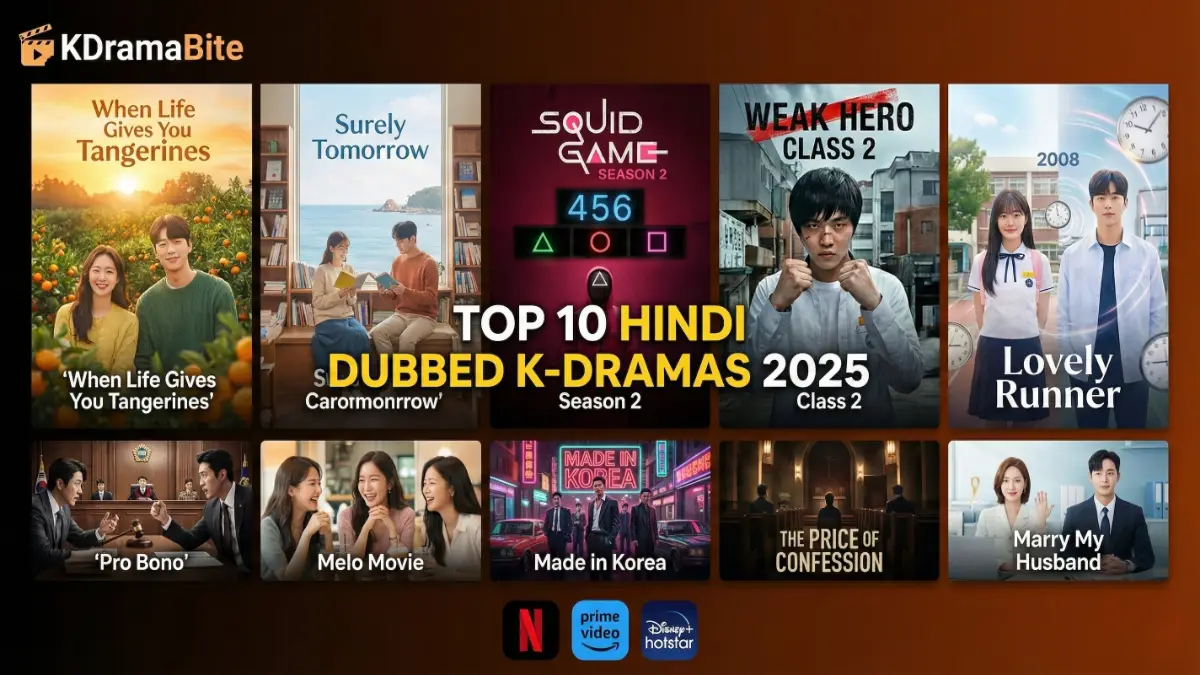
In a year that gave us everything from the intense psychological thriller explored in The Price of Confession Ending Explained to the gentle healing romance detailed in Surely Tomorrow Ending Explained, Pro Bono carves out its own space.
It’s not as dark as The Price of Confession but not as gentle as Surely Tomorrow. It’s the perfect middle ground for viewers who want meaningful social commentary without sacrificing compelling character dynamics and romance.
Check out our complete Best K-Dramas of 2025 Recommendations to see where Pro Bono ranks among this year’s standout series!
Episode Guide: What to Expect
Episodes 1-4: Introduction to characters, first case (Toxic Truth), establishing the Jae-in/Da-kyung dynamic
Episodes 5-8: Second case (Invisible Victims), relationship deepening, first major loss
Episodes 9-12: Third case (Ghost of the Past), Jae-in’s backstory revealed, emotional breakthrough
Episodes 13-16: Final case (TBA – series ongoing), relationship evolution, thematic resolution
Note: Pro Bono is structured as 16 episodes with two-episode case arcs, though some cases (like Hwang Gi-taek’s exoneration) span four episodes due to complexity.
Production Quality: Visual and Narrative Excellence
Cinematography
Director Park Shin-woo (known for Beyond Evil) brings his signature visual style: muted colors, long takes, and creative use of space. Courtroom scenes are shot to emphasize power dynamics—who’s standing vs. sitting, who’s in light vs. shadow.
Notable visual choices:
- Jae-in’s office is all glass and steel (transparent but cold)
- Da-kyung’s workspace is cluttered with case files and personal touches (messy but human)
- Courtroom scenes use symmetrical framing to emphasize the balance (or imbalance) of justice
Soundtrack
The OST by composer Mowg blends orchestral themes with subtle electronic elements. Unlike romance-heavy dramas, there are no soaring ballads—just understated instrumental pieces that enhance emotional moments without overwhelming them.
Standout tracks:
- “The Weight of Evidence” (plays during intense trial prep)
- “Pro Bono” (main theme, combines hope and melancholy)
- “Justice, Maybe” (plays during moral dilemma moments)
Richa’s Bite-sized Take
Pro Bono is a masterclass in how to make legal drama feel urgent, personal, and emotionally devastating while maintaining intellectual rigor and social relevance. Lee Do-hyun and Kim Se-jeong don’t just act together—they challenge each other to deliver career-best performances in a series that asks whether justice is a destination we reach or a battle we keep fighting, one case at a time.
Conclusion: The Verdict Is In
Pro Bono isn’t easy viewing. It won’t always leave you feeling good. Some episodes end with losses, not victories. Some clients don’t get the happy endings they deserve. But it’s essential viewing for anyone who believes that stories should challenge us, not just comfort us.
This is the legal drama for people who want to think, feel, and question their assumptions about justice, morality, and the systems we trust to protect us. It’s the drama that proves Lee Do-hyun is one of the finest actors of his generation and confirms that Kim Se-jeong can do literally anything.
And here’s my question for you: Do you prefer the gentle, healing journey of dramas like Surely Tomorrow, or the intense, challenging narratives of legal thrillers like Pro Bono?
Tell us in the comments:
- ⚖️ Which case hit you the hardest emotionally?
- 💼 Are you Team Jae-in’s pragmatism or Team Da-kyung’s idealism?
- 💕 Are you shipping the slow-burn romance or just here for the courtroom battles?
- 🤔 Have you ever experienced legal injustice? (Share if you’re comfortable—this is a safe space)
- 📺 What legal drama tropes are you tired of, and what does Pro Bono do differently?
Share this recap with friends who love legal dramas, social justice stories, or just phenomenal acting. And if you’re looking for more K-Dramas to binge after Pro Bono, check out our Netflix K-Dramas January 2026 list for upcoming releases!
Continue Your K-Drama Journey:
🔔 Subscribe to KDramaBite.com for weekly episode reviews, legal drama deep dives, and discussions on how K-Dramas tackle social justice issues!